Suspended Load Safety:
Why the Last 300 mm Matters
This is where the lifting plan often ends — and instinct takes over.
The Moment No Lifting Plan Covers
Why Final Load Positioning Creates Hand Exposure
One of the most exposed moments in a lift begins when the load enters its final positioning zone and the worker moves closer to get it right.
The Central Contradiction
Every lifting procedure tells the worker where not to be.
- Keep hands clear.
- Do not stand in the line of fire.
- Maintain the exclusion zone.
- Never stand beneath a suspended load.
These rules are correct. They are also incomplete. None of them answers the question the task itself is asking the worker to solve, several times a shift, on almost every site in the world.
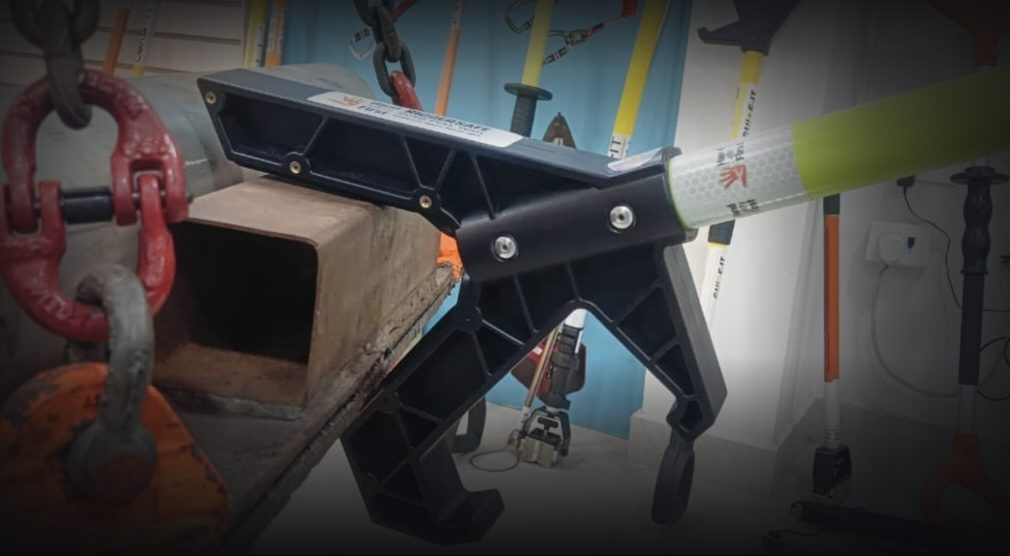
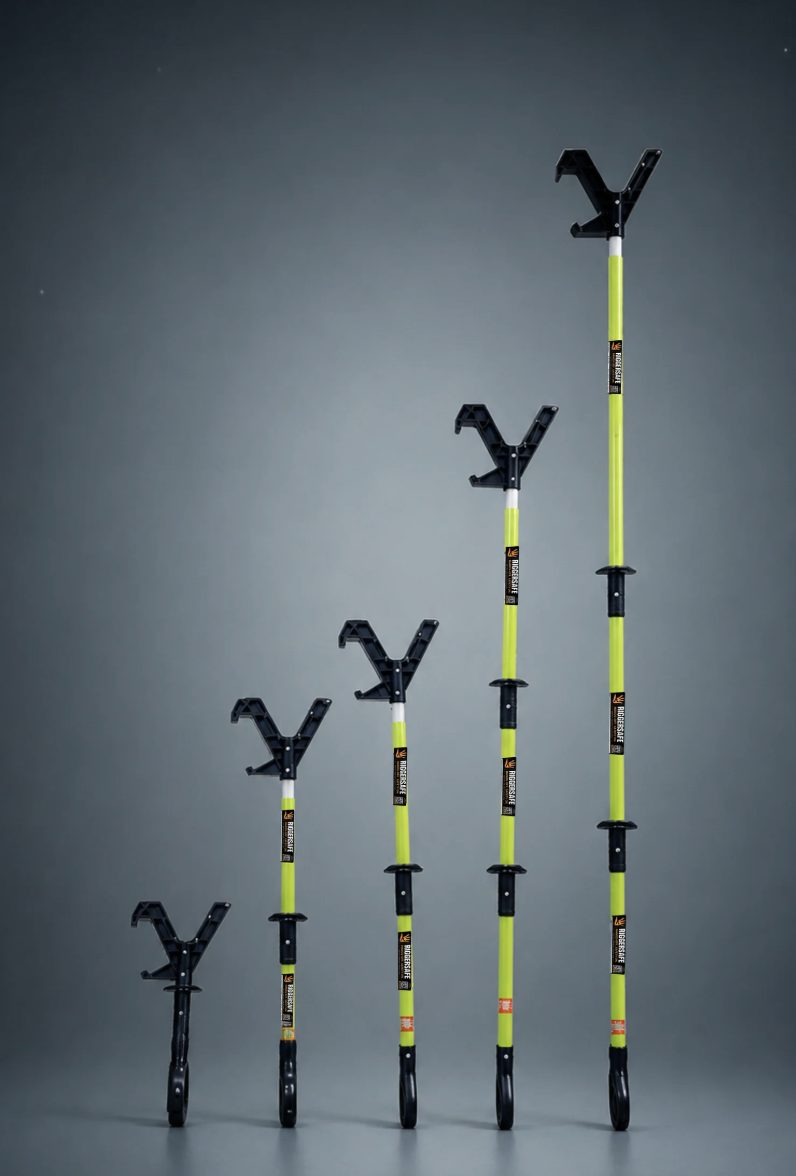
How will the load actually be guided, turned, aligned and positioned — without placing a hand on it?
This is not always a worker-behaviour failure. It is very often a task-design failure. When the work still requires direct contact, telling the worker to be careful does not remove the exposure.
When the task still requires the hand, the hazard has not yet been engineered out.
Critical Risk Zone
The Last 300 mm™ in Suspended Load Safety
A load can travel fifty metres safely — and become dangerous in the final thirty centimetres.
Fixed surfaces — foundations, machine beds, flanges, structure — begin to create pinch and crush zones that were not present mid-lift.
Small rotations that were irrelevant in open space now matter. Workers move closer to see and correct them.
Hands are used to push, pull, steady or align. Escape space can disappear quickly once contact is made.